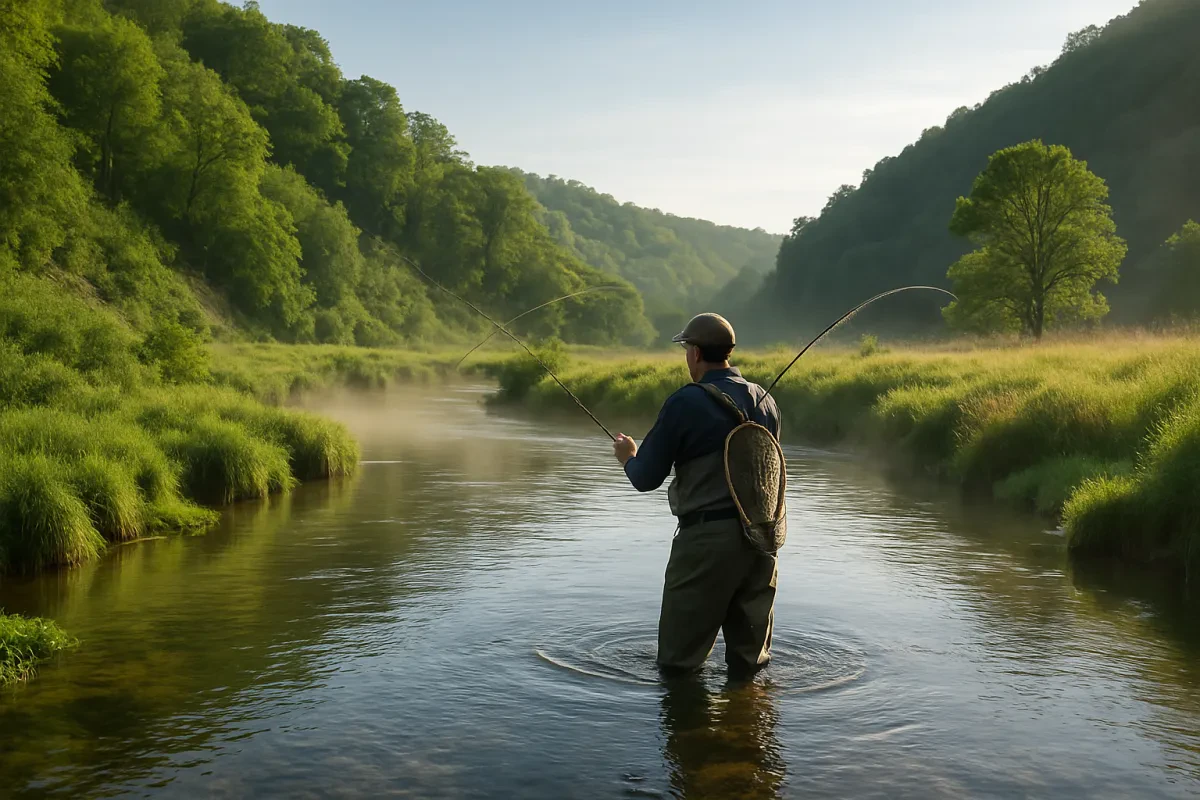
The Driftless Region has become one of the most celebrated fly-fishing destinations in the United States. With its spring-fed creeks, unique limestone geology, cold-water ecosystems, and miles upon miles of public access trout streams, driftless fly fishing continues to attract anglers from across the country. Whether you're a seasoned fly fisher searching for trophy browns or a beginner looking to experience technical spring-creek fishing for the first time, the Driftless offers something for everyone.
This guide will walk you through everything you need to know—where the Driftless is, why it’s such a special fishery, what gear to bring, seasonal strategies, top flies, access tips, and how to make the most of your next Driftless fly fishing trip.
What Is the Driftless Region? Understanding This Geological Wonder
The Driftless Region spans across Minnesota, Wisconsin, Iowa, and northern Illinois, covering approximately 24,000 square miles. The term driftless refers to the absence of glacial drift—materials left behind by glaciers during the last Ice Age. While glaciers shaped most of the Midwest, they missed this pocket entirely. As a result, the region maintained its rugged, karst limestone landscape.
This unique terrain directly contributes to the exceptional spring-creek systems that form the foundation of driftless fly fishing. Cold-water springs emerge from porous limestone, feeding creeks that remain cool year-round and perfectly suited for trout. The water chemistry creates high productivity, large insect populations, and ideal spawning conditions.
Why the Driftless Region Is Perfect for Trout
Several ecological factors make this area a trout angler’s paradise:
-
Cold, consistent water temperatures preserved by limestone springs
-
High alkalinity, producing calcium-rich habitats ideal for aquatic insects
-
Clear, shallow spring creeks perfect for sight-fishing opportunities
-
Abundant wild and naturally reproducing trout populations
-
Miles of designated public access waters through state easements and conservation groups
Together, these features create an environment where trout thrive and anglers enjoy some of the most technically exciting fly fishing in the country.
Target Trout Species in Driftless Fly Fishing
When anglers talk about driftless fly fishing, they’re mainly referring to three trout species:
1. Brown Trout
The Driftless Region is best known for wild and naturally reproducing brown trout. These fish flourish in limestone spring creeks and can reach impressive sizes. Although many Driftless browns are in the 10–14 inch range, trophy-class fish exceeding 18–22 inches are caught every year.
2. Brook Trout
Brook trout—America’s only native char—still hold strong populations in colder, high-quality headwaters. They tend to be smaller but are exceptionally beautiful, featuring vibrant colors and patterns.
3. Rainbow Trout
Rainbows are present in certain parts of the Driftless, often stocked to supplement fisheries. While less commonly targeted, they provide lively action and acrobatic fights.
Essential Gear for Driftless Fly Fishing
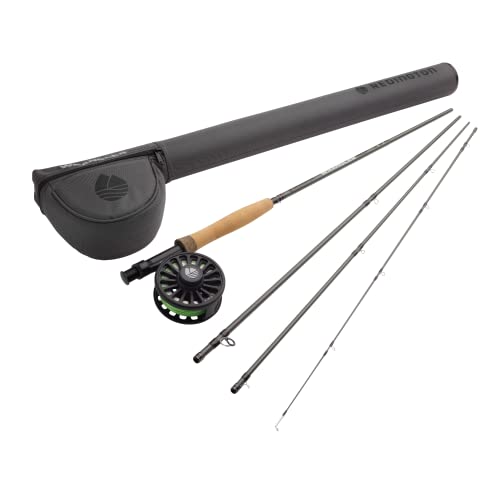
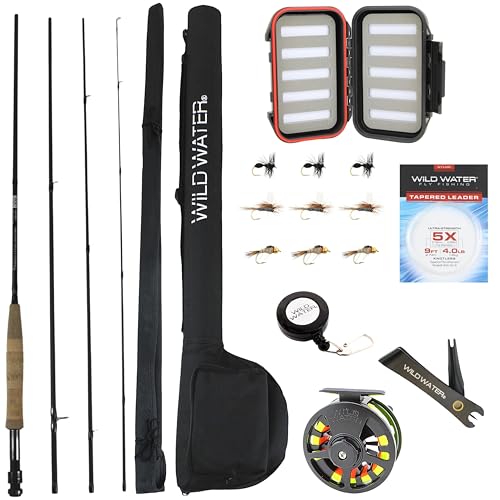
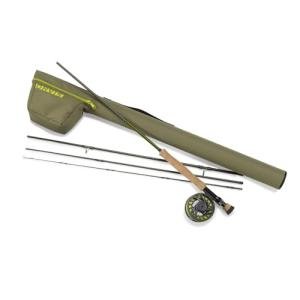
You don’t need huge rods or heavy setups for spring-creek trout. The Driftless rewards finesse, control, and stealth.
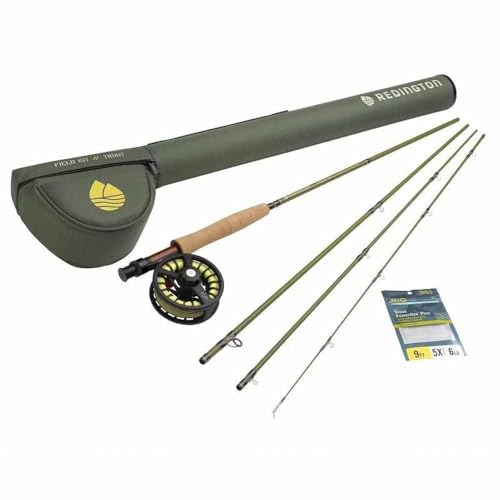
Recommended Rod Weight and Length
For most situations:
-
3-weight or 4-weight rods
-
8’6” to 9’ rods for reach and delicacy
-
Consider a 2-weight for small brook trout streams
-
A 10-foot 3-weight is excellent for Euro-nymphing
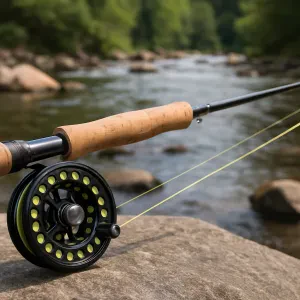
Reels and Lines
A basic trout reel with a smooth drag is sufficient.
Recommended fly lines:
-
Weight-forward floating line
-
Double-taper line for delicate presentations
-
Euro-nymphing competition line for tight-line techniques
Leaders and Tippet
The Driftless demands precise, natural presentations:
-
9–12 foot leaders
-
5X to 7X tippet (fluorocarbon preferred for nymphing)
-
Longer leaders help avoid spooking trout in clear water
Waders and Footwear
Although some anglers wet-wade in warmer months:
-
Breathable chest waders
-
Felt or rubber soles with studs
-
Staff recommended for muddy banks
Polarized Sunglasses
To spot trout and observe feeding lanes, polarized glasses are essential for spring-creek sight-fishing.
Best Flies for Driftless Fly Fishing
Matching the hatch is important, but Driftless trout often eat smaller patterns due to the prolific insect life.
Top Nymphs
-
Pheasant Tail (16–22)
-
Scud patterns (12–18)
-
Zebra Midge (18–22)
-
Hare’s Ear (14–20)
-
Frenchie nymphs
-
Duracell nymphs
-
Walt’s Worm and Sexy Walt’s
Dry Flies
-
Blue-Winged Olive (16–22)
-
Elk Hair Caddis (14–18)
-
Griffith’s Gnat (18–22)
-
Trico spinners (20–24)
-
Sulphur Dun and Emerger (14–18)
-
Parachute Adams (14–20)
Streamers
When drifting larger fish out of undercuts:
-
Mini Sculpin
-
Woolly Bugger (size 8–12)
-
Micro Zonkers
-
Pine Squirrel Leeches
Scuds and Sowbugs
Because scuds are extremely prevalent in spring creeks, these patterns are must-haves in sizes 12–18.
Seasonal Strategies for Driftless Fly Fishing
Each season offers something different, making the Driftless a truly year-round fishery.
Spring: The Prime Season
Spring produces:
-
BWO hatches
-
Caddis emergences
-
Early terrestrials on warm days
-
High water from snowmelt, offering nymphing opportunities
This is one of the best times for beginners because trout feed aggressively after winter.
Summer: Terrestrial Time
Summer brings:
-
Hopper fishing, a Driftless specialty
-
Ants and beetles
-
Low, clear water that rewards stealth presentations
Dry-fly purists love this season due to consistent surface eats.
Fall: Trophy Brown Trout Season
Fall is a time of:
-
Spawning activity
-
Aggressive pre-spawn browns chasing streamers
-
Cooler weather and lower crowds
This is one of the best times to catch a personal-best brown trout.
Winter: A Quiet but Productive Season
Winter fly fishing in the Driftless can be outstanding thanks to stable water temps from springheads:
-
Midges hatch regularly
-
Trout feed during midday warmth
-
Crowds disappear
A small box of midges and scuds is usually all you need.
Top Driftless Fly Fishing Locations by State
While every state offers incredible water, here are some standout regions.
Wisconsin Driftless Hotspots
-
Vernon County (e.g., Timber Coulee, West Fork Kickapoo)
-
Richland County
-
La Crosse County
-
Crawford County
Wisconsin has more stream miles than any other Driftless state thanks to its robust restoration programs.
Minnesota Driftless Hotspots
-
Preston area (South Branch Root River)
-
Whitewater State Park
-
Rush Creek system
-
Trout Run
Minnesota offers a mix of restored creeks and rugged bluff country.
Iowa Driftless Hotspots
-
Decorah region streams
-
North and South Bear Creeks
-
French Creek
-
Waterloo Creek (near Minnesota border)
Iowa surprises many anglers with its high-quality wild trout populations.
Illinois Driftless Streams
Illinois has fewer Driftless fishing opportunities but includes fertile brook trout waters in certain tributaries and preserves.
Accessing Driftless Fly Fishing Waters
One major advantage of the Driftless is how easy it is to access.
Public Access Through Easements
Many streams allow public fishing due to state-maintained angling easements. These are clearly marked and allow anglers to walk through designated sections of private land.
County and State Parks
Numerous parks host restored trout streams and are beginner-friendly.
Stream Restoration Areas
Decades of conservation efforts by groups like Trout Unlimited have restored eroded streambanks, creating deeper pools, cleaner gravel, and excellent trout habitat.
Before fishing, always check:
-
State fishing regulations
-
Specific seasonal closures
-
Barbless or artificial-only rules in certain areas
Techniques for Successful Driftless Fly Fishing
1. Approach With Stealth
Clear water means trout spook easily. Walk slowly, crouch when necessary, and avoid casting shadows over runs.
2. Use Long Leaders
A 10–12 foot leader with a thin tippet dramatically increases success rates, especially on sunny days.
3. Short, Accurate Casts
Most Driftless creeks are narrow. Precision and control matter more than distance.
4. Dead-Drift Nymphing
Trout often feed near the bottom, especially on scuds and midges. Tight-line nymphing is extremely effective.
5. Sight-Fish When Possible
Clear water makes it easier to see trout holding in tailouts, along undercuts, and under vegetation.
6. Focus on Undercut Banks
Brown trout love hiding beneath carved limestone banks. Swinging a small streamer or drifting a nymph along the edge can produce big fish.
Planning Your Driftless Fly Fishing Trip
When to Go
While the region fishes well year-round, the top periods are:
-
April–June (hatches and stable flows)
-
July–September (terrestrials)
-
October–November (big browns)
Guided Trips
New anglers benefit greatly from booking a guided trip. Guides provide:
-
Local entomology knowledge
-
Access to prime water
-
Instruction on spring-creek techniques
Lodging and Camping
Options range from:
-
Driftless cabins
-
Farm stays
-
State park campgrounds
-
Small-town inns and lodges
Because the region is rural, booking early during peak seasons is recommended.
Conservation: Protecting the Driftless for Future Generations
The Driftless Region is beloved for its fragile trout ecosystems. Anglers can contribute to preservation by:
-
Practicing catch-and-release when possible
-
Avoiding spawning redds during fall
-
Respecting private landowners near easement areas
-
Joining conservation groups supporting restoration
-
Packing out all trash
-
Using barbless hooks where appropriate
These practices ensure that driftless fly fishing continues to thrive for decades to come.
Final Thoughts: Why Driftless Fly Fishing Should Be on Every Angler’s Bucket List
The Driftless Region is one of America’s most unique and rewarding fly-fishing destinations. With its limestone spring creeks, abundant wild trout, breathtaking scenery, and welcoming small towns, it offers something truly special. Whether you want to stalk spooky browns in crystal-clear water, chase brook trout in high-gradient headwaters, or spend summer afternoons casting hoppers along grassy banks, driftless fly fishing promises unforgettable days on the water.