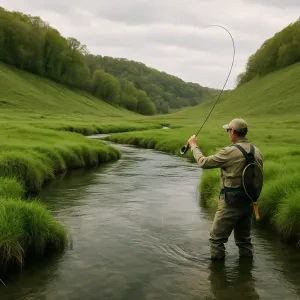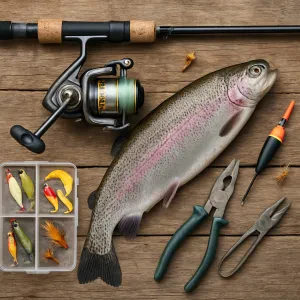
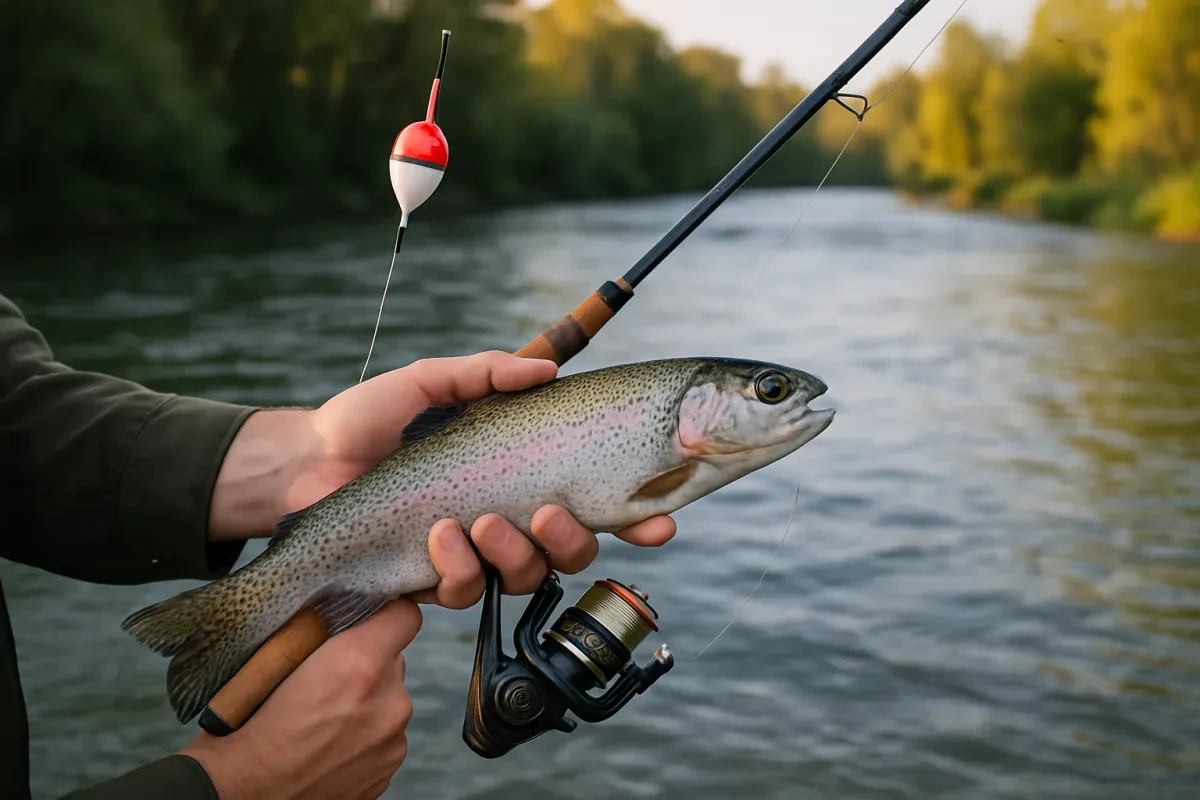
When it comes to simple, effective, and beginner-friendly methods for catching trout, bobber fishing for trout stands at the top of the list. Whether you fish stocked ponds, small creeks, mountain streams, or large lakes, a properly set bobber rig can out-perform more complicated setups—especially when trout are feeding near the surface or suspending in the water column.
This guide breaks down everything you need to know: gear, rigging, bait selection, presentation, and insider tips to help you catch more trout on your next outing.
Why Bobber Fishing for Trout Works So Well
Bobber fishing remains one of the most popular approaches because:
1. It Suspends the Bait at the Perfect Depth
Trout are highly sensitive to light, water temperature, and oxygen levels. This means they often hold at specific depths. Using a bobber allows you to control bait depth with precision.
2. It Provides a Natural Presentation
A bobber keeps your bait floating freely in the water, making worms, salmon eggs, or artificial baits behave naturally—something trout can’t resist.
3. It’s Visual and Easy to Learn
The bobber shows the strike. Beginners love the instant visual feedback, while seasoned anglers appreciate the simplicity and effectiveness.
4. It Works Year-Round
Trout respond well to bobber setups in spring, summer, fall, and even winter (during ice-free conditions). Adjust depth and bait, and you’ll continue catching fish.
Choosing the Best Bobber for Trout Fishing
Not all bobbers are created equal. When bobber fishing for trout, your choice of float can make a huge difference in sensitivity and stealth.
1. Fixed Bobbers (Clip-On or Spring Bobbers)
These attach directly to the line and don’t move until you reposition them.
Best for:
-
Shallow water (1–6 ft)
-
Streams and creeks
-
Beginners learning bobber behavior
Pros:
-
Easy to set up
-
Very responsive to light bites
Cons:
-
Not ideal for deep water
-
Can spook fish if too large
2. Slip Bobbers
Slip bobbers slide freely up and down your line until they hit a bobber stop.
Best for:
-
Fishing depths of 8–30+ feet
-
Lakes and reservoirs
-
Long-distance casting
Pros:
-
Adjustable depth
-
Excellent for suspended trout
-
Casts farther
Cons:
-
Slightly more complicated to rig
Slip bobbers are the preferred option for serious anglers because they offer precision depth control, especially when trout are holding deeper.
Choosing the Right Rod, Reel, and Line for Bobber Trout Fishing
To maximize your success with bobber fishing for trout, match your gear to the species' behavior.
Rod Selection
A 6'6" to 7'6" ultralight or light-action spinning rod is ideal.
Benefits of a light rod:
-
Detects subtle takes
-
Casts small bobbers and tiny baits
-
Provides fun, responsive fights with trout
Reel Selection
A 1000 to 2500-size spinning reel with a smooth drag is best. Trout often make quick bursts of speed, and a sticky drag leads to break-offs.
Fishing Line
Use:
-
4–6 lb monofilament for most trout
-
2–4 lb in crystal-clear streams
-
6–8 lb when targeting large trophy trout in lakes
Monofilament floats naturally, making it perfect for bobber rigs.
How to Rig a Bobber Setup for Trout
Whether you prefer simple or advanced setups, rigging correctly is essential.
Basic Fixed Bobber Rig (Perfect for Beginners)
What you need:
-
Fixed bobber
-
Split shot weight
-
Size 8–12 hook
-
Bait of choice
How to set it up:
-
Clip the bobber to your line.
-
Add 1–3 small split shots 12–18 inches above the hook.
-
Tie a size 8–12 bait hook.
-
Adjust depth to the level trout are feeding.
This setup excels in shallow creeks, ponds, and stocked trout waters.
Slip Bobber Rig (Most Versatile and Effective)
Components:
-
Bobber stop
-
Bead
-
Slip bobber
-
Small swivel
-
Split shot
-
12–24 inch leader
-
Size 10–12 hook
Steps to rig:
-
Thread the bobber stop on your line and tighten it.
-
Add the bead.
-
Slide on the slip bobber.
-
Tie on a small swivel to prevent line twist.
-
Add split shots 8–10 inches above the hook.
-
Tie your leader and hook.
This rig casts far, stays stable in wind, and works extremely well for lake trout suspended at varied depths.
Best Baits for Bobber Fishing for Trout
Selecting the right bait is one of the biggest factors in success.
1. Live Bait Options
Nightcrawlers
Trout love worms. Use small pieces to match natural prey sizes.
Tip:
Thread only part of the worm to allow natural movement.
Mealworms
Great for stocked trout and winter trout.
Minnows
Especially effective for brown trout and large rainbows.
2. Natural Baits
Salmon Eggs
A long-standing trout favorite. Use a single egg or small cluster depending on bite aggressiveness.
Corn
Cheap, easy, and surprisingly effective for stocked rainbows.
Crickets
Deadly in summer streams when insect activity is high.
3. Artificial Baits
PowerBait and Dough Baits
Formulated specifically for stocked trout.
Colors that work well:
-
Chartreuse
-
Garlic yellow
-
Rainbow glitter
-
Orange
Soft Plastics
Tiny worms, grubs, or trout nymph imitations under a bobber can be extremely effective.
Jigs Under a Bobber
This method—also known as "float and fly" fishing—is excellent in cold water.
Setting the Perfect Depth When Bobber Fishing for Trout
Depth is everything. Even with the right bait, if you're not in the strike zone, you won't catch fish.
Shallow Streams (1–3 feet)
Set your bobber so your bait drifts a few inches above the bottom. Trout often hug structure or the underside of riffles.
Stocked Ponds
Trout in these waters tend to suspend 1–5 feet below the surface, especially in the early morning or evening.
Lakes and Reservoirs
Use your slip bobber to target depths of:
-
5–12 feet in spring
-
12–25 feet in summer
-
4–10 feet in fall
If you locate baitfish schools, trout are likely nearby.
How to Present Your Bait When Bobber Fishing for Trout
Presentation separates average anglers from great ones.
1. Cast Upstream in Moving Water
Let your bait drift naturally with the current. Trout face upstream to feed.
Key points:
-
Keep slack out of the line
-
Mend line to reduce drag
-
Allow a natural, unforced drift
2. Use Stop-and-Go Retrieves in Lakes
A still bobber with subtle movements is irresistible to trout.
Try:
-
Letting the bait sit
-
Tugging lightly every 10–20 seconds
-
Slowly pulling the bobber a few feet at a time
3. Watch for Strike Variations
Trout bites are not always dramatic.
A bite may look like:
-
A slight bobber dip
-
Sideways movement
-
Bobber tilting on its side
Set the hook quickly but gently. Trout have soft mouths, so avoid ripping too hard.
Best Times of Day for Bobber Fishing for Trout
Timing matters greatly when maximizing your catch rate.
Morning (Top Choice)
From sunrise to 10 a.m., trout feed actively in shallow water.
Evening
The last two hours of daylight are excellent for surface-oriented trout.
Midday
Fish deeper using a slip bobber, especially in the summer.
Cloudy or Overcast Days
These create extended feeding windows because trout feel safer rising in the water column.
Seasonal Tips for Bobber Trout Fishing
Spring
Perhaps the best time of year:
-
Cool, oxygen-rich water
-
Active insects
-
Hungry trout fresh from winter
Use worms, salmon eggs, and PowerBait.
Summer
Use deeper slip bobber presentations. Trout avoid warm surface water.
Fall
Trout aggressively feed before winter. Use:
-
Bright baits
-
Small minnows
-
PowerBait in orange or red
Winter
Fish slow and deep. Mealworms and small jigs excel.
Where to Use Bobber Fishing Techniques for Trout
1. Stocked Lakes
Prime locations for beginners—trout respond excellently to bobbers.
2. Creeks and Rivers
Use smaller bobbers and natural baits. Drift near:
-
Undercut banks
-
Pools
-
Behind rocks
-
Eddies
3. Mountain Streams
Small fixed bobbers and tiny live bait produce consistent results.
4. Large Reservoirs
Slip bobbers are essential for reaching deeper trout schools.
Pro Tips to Catch MORE Trout Using a Bobber
Use the Smallest Bobber Possible
Stealth = more bites. Match your bobber size to your bait weight.
Add Flavor or Scent
Garlic and anise scents make artificial baits far more attractive.
Change Depth Frequently
If 15 minutes pass with no bites, adjust your depth by 6–12 inches.
Keep the Line Tight
Slack line leads to missed strikes. Slight tension improves hook-setting.
Move Locations
If trout aren’t feeding in one spot, relocate to deeper or shaded water.
Common Mistakes When Bobber Fishing for Trout
Even experienced anglers sometimes struggle due to simple errors.
1. Using a Bobber That’s Too Big
This spooks trout and hides subtle bites.
2. Setting the Wrong Depth
The number one cause of poor results. Adjust constantly.
3. Heavy Line in Clear Water
Use lighter mono for spooky, pressured trout.
4. Overhandling Live Bait
Worms or minnows die quicker if squeezed or held too long.
5. Not Paying Attention
Your bobber may barely twitch. Focus leads to more hooksets.
Final Thoughts: Mastering Bobber Fishing for Trout
Whether you're teaching a beginner, returning to basics, or looking for a reliable and deadly trout technique, bobber fishing for trout remains one of the most proven and productive methods in freshwater fishing. Its simplicity, adaptability, and year-round effectiveness make it a must-learn strategy for anyone targeting rainbow, brown, brook, or golden trout.
By choosing the right bobber, setting the correct depth, selecting the proper bait, and presenting it naturally, you’ll dramatically increase your catch rate. From stocked ponds to remote mountain streams, bobber rigs continue to deliver results that even expert anglers admire.